
Growing microalgae at scale is only half the challenge. The other half – often overlooked – is getting the valuable compounds locked inside each cell out in a form that plants can actually use. That’s where extraction technology makes or breaks a biostimulant’s real-world performance.
Microalgae cells are protected by a tough outer wall, and many of their most agriculturally useful molecules – short-chain peptides, amino acids, specific carbohydrates – are bound up inside it. Crude, low-precision extraction methods tend to either leave much of that value locked away or degrade it in the process, resulting in an inconsistent, lower-potency end product.
Enzymatic hydrolysis takes a more targeted approach. Rather than relying on harsh heat or aggressive chemical treatment, specific enzymes are used to break down the cell wall and cleave larger proteins into smaller, bioavailable peptide fragments – the same fragments that plant roots and leaves can absorb and put to work quickly. The result is a biomass hydrolysate with a more consistent, concentrated and biologically active profile batch after batch.
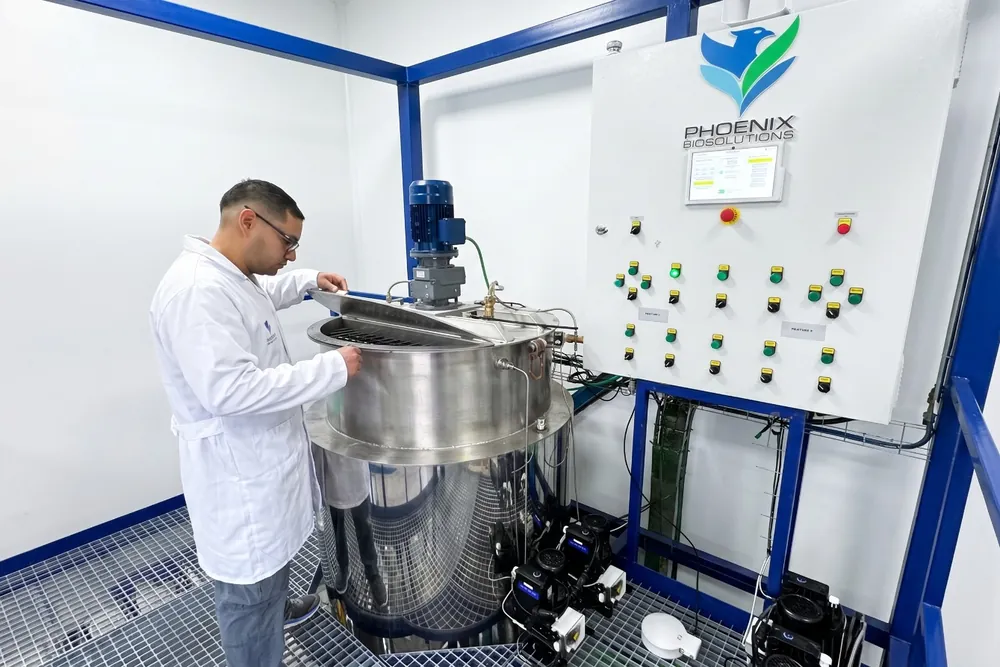
Just as importantly, this kind of process can be engineered into compact, automated reactor units that operate directly at a production site, rather than requiring biomass to be shipped elsewhere for processing. That shortens the supply chain considerably, preserves compound quality by minimizing the time between harvest and formulation, and opens the door to a distributed model where regional producers manufacture finished biostimulants locally instead of importing them.
As demand for proven, high-performance biostimulants grows, extraction technology – not just cultivation capacity – is quickly becoming the differentiator between products that deliver consistent field results and those that fall short of their label claims.